Have you ever thought about what's in your cleaning and personal care products?
I hadn't given it much thought until I joined the doTerra essential oils group.

In everyday cleaning products, there's a long list of harmful chemicals like ammonia, chlorine bleach, phthalates, triclosan, sodium hydroxide, perchloroethylene, 2-butoxyethanol, quaternary ammonium compounds, sodium lauryl sulphate, and volatile organic compounds. These toxins can cause many different adverse reactions in both our bodies and the environment.
Do you enjoy burning scented candles or using air fresheners? Unfortunately, many of these products contain toxic chemicals like formaldehyde, benzene, acetone, toluene, and acetaldehyde, which is classified as a probable carcinogen by the International Agency for Research on Cancer. Some candles even have lead or lead-core wicks, releasing harmful fumes into the air that can cause neurological issues.

The term "toxic load" refers to the amount of harmful stuff that builds up in our bodies over time. We come across lots of potential toxins every day, and while we can't avoid them all, there are ways to lessen their impact on our health. Our adult bodies have different ways of dealing with these toxins, but it is important to understand our children and pets can be even more vulnerable to the harmful effects of chemicals found in household products due to their smaller size and developing bodies.
The main avenues for toxins are through the lungs, the digestive system, and the skin. We get exposed to toxins through what we eat, the air we breathe, and anything that touches our skin. While we can't control the quality of the air outside, we can do things to reduce exposure at home and help our body handle toxins more effectively.


Inside our bodies, we have helpful bacteria that assist in fighting off toxins. These bacteria live in our digestive system and create a natural balance. Without enough of these good bacteria, harmful ones can cause problems in our gut. These helpful bacteria do a lot for us. They keep our digestion running smoothly, break down proteins, help us make vitamins, and help our body absorb nutrients. Without them, our body doesn't work as well, and our immune system isn't as strong.
Many plant compounds share similarities with substances found naturally in the human body. For example, some essential oil constituents mimic human hormones or neurotransmitters, allowing them to interact with our biological systems in ways that are compatible and beneficial. Essential oils contain volatile organic compounds that are easily absorbed by the body through inhalation, ingestion, or topical application. This allows the bioactive constituents of the plants to exert their effects efficiently within our bodies.

Plants produce a diverse array of bioactive compounds to protect themselves from environmental stressors and pathogens. These compounds often exhibit pharmacological properties that can be harnessed for therapeutic purposes in humans. Many traditional healing systems, such as Ayurveda and Traditional Chinese Medicine, recognise the interconnectedness of humans and plants within the natural world. They utilise plant essences as part of a holistic approach to promoting health and well-being, addressing not only physical symptoms but also emotional and spiritual aspects of health.
Compared to synthetic drugs, plant essences often have fewer adverse effects and are generally considered safer for use. This is due to their complex chemical composition, which typically includes a variety of synergistic compounds that work together to produce therapeutic effects while minimising toxicity
Overall, the compatibility between plant essences and humans is rooted in the shared evolutionary history of plants and animals, as well as the biochemical interactions that occur within living organisms. By harnessing the healing properties of plants, humans can benefit from nature's pharmacy in a safe and sustainable manner.
As health-conscious consumers, it's our responsibility to learn about the dangers of typical household cleaners and products and minimise exposure by opting for natural alternatives like essential oils, diffusers, or beeswax candles. However, it's crucial to research carefully, as even products labelled as "green" or "natural" or “organic” may contain harmful ingredients.

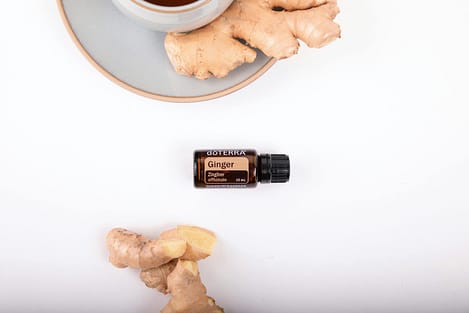
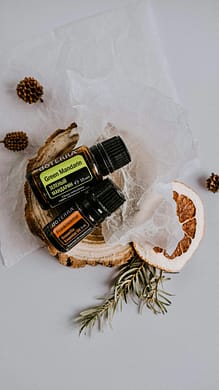
Enter doTerra's range of essential oils, certified pure and untouched essences of plants. For the past ten months, I've integrated these oils into my daily routine, using them for everything from cooking, cleaning, and skincare. Not only has my health improved, but so has the texture of my skin, and my home now smells divine and is free from harmful chemicals. Even my dog benefits from them, he instinctively chooses the oils he needs and has shown big changes in his general health and digestion since I have integrated them into his routine. My aim is to provide information regarding these oils so we can prioritise our health and well-being by making informed choices about the products we use every day.
As Erin Brockovich once said, "Every time you choose a product with harmful chemicals, you're voting for that industry to continue polluting our environment and jeopardising our health."
Dr. Philip Landrigan also emphasised the importance of awareness: "We can't avoid exposure to all chemicals, but we can reduce it by choosing safer alternatives and advocating for stronger regulations."
Understanding the impact of harmful chemicals in everyday products and making informed choices to protect our health and the environment is essential. I have simple DIY natural cleaning recipes using ingredients like vinegar, baking soda, Borax substitute, and doTerra essential oils, providing a safe and effective cleaning regime at home, and I intend to share information regarding these alternatives, so we can prioritise our health and well-being.